Adolescents and Young Adults
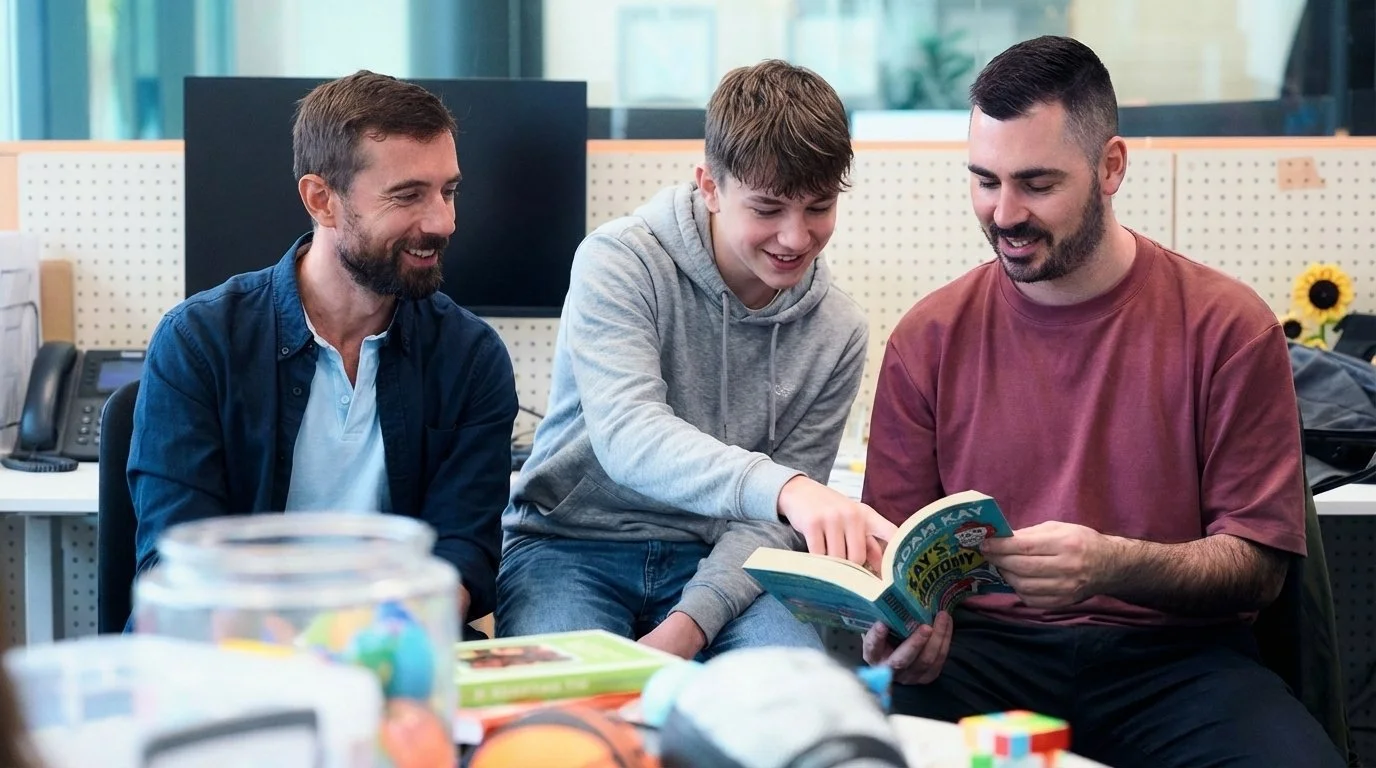
Too old for paediatrics.
Not quite ready to be treated like an independent adult.
We get it.
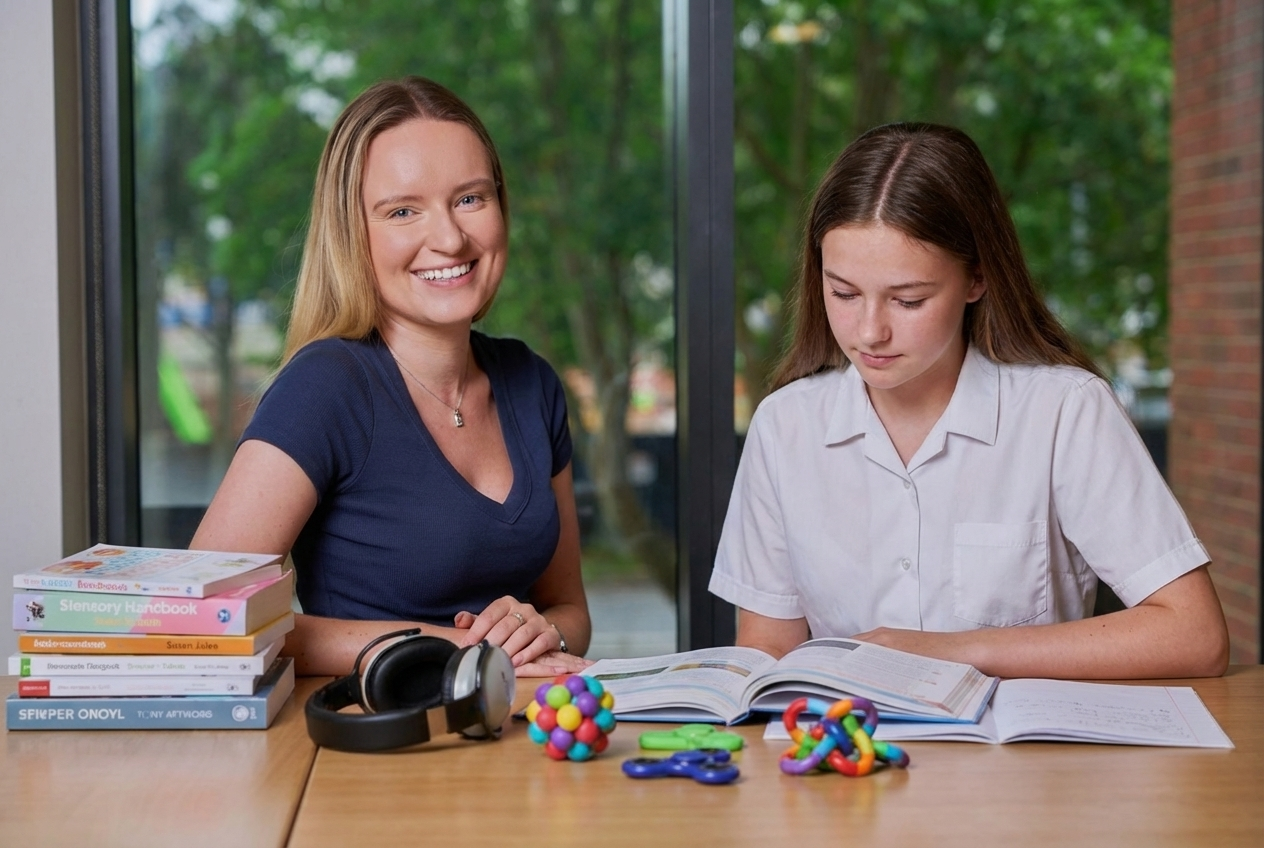
Young people aged 13–30 occupy a space that most NDIS providers are not designed for. They are managing the teenage years, or are ageing out of children's services, but do not fit neatly into adult frameworks just yet.
They have complex needs - and they are also just regular teenagers and young adults trying to figure out who they are.
A 16-year-old with autism spectrum disorder (ASD) is not a small adult. She has opinions about her hair, a group chat she is trying to keep up with, and a plan to get a casual job. She also has complex support needs. All of those these things are true, and all of them matter.
Transitional care - the bridge that's usually missing.
The transition from teenager to young adult is significant for any family. For families navigating disability, it can feel impossible. Services drop off, expectations shift and the hardest part is not always the young person — it is knowing when to step back and let them try.
We support both sides of that transition. For young people, we focus on building real independence — not just skills, but confidence, identity, and the ability to advocate for themselves. For families and carers, we work alongside you to adapt your role as your young person grows into theirs. Letting go, gradually and safely, is part of the work too.
Services for Adolescents and Young Adults
Occupational Therapy
- Functional capacity assessments and job readiness assessments .
- Therapy delivered in schools, and collaboration with teachers and school staff.
- Building job skills and workplace readiness.
- Learning to navigate friendships, community, and daily routines.
- Supporting families to understand their young person's functional capacity, and potential.
Speech Pathology
- Self-advocacy. Helping young people communicate their own needs.
- Communication strategies with parents, peers, and professionals.
- Reading verbal and non-verbal cues in social situations.
- Conversation training for real-world contexts.
- In-school therapy and collaboration with teachers.
Dietetics
- Cooking skills for independent living.
- Understanding nutrition and healthy food choices.
- The connection between nutrition and mental health.
- Sensory regulation and its relationship with food emotionally and behaviourally.
Support Workers
- Matched thoughtfully, often someone close in age who can genuinely relate.
- Shared interests matter. We factor that in.
- Community access, TAFE attendance, scribing, and academic support.
- Practising job skills, daily routines, and building real-world confidence.
- All trained by our clinical team so what happens in therapy keeps happening out in the world.