Psychosocial (Mental Health) Disability

Living with a psychosocial disability is not just about managing symptoms.
It is about creating a life that feels meaningful, connected. and worth living.
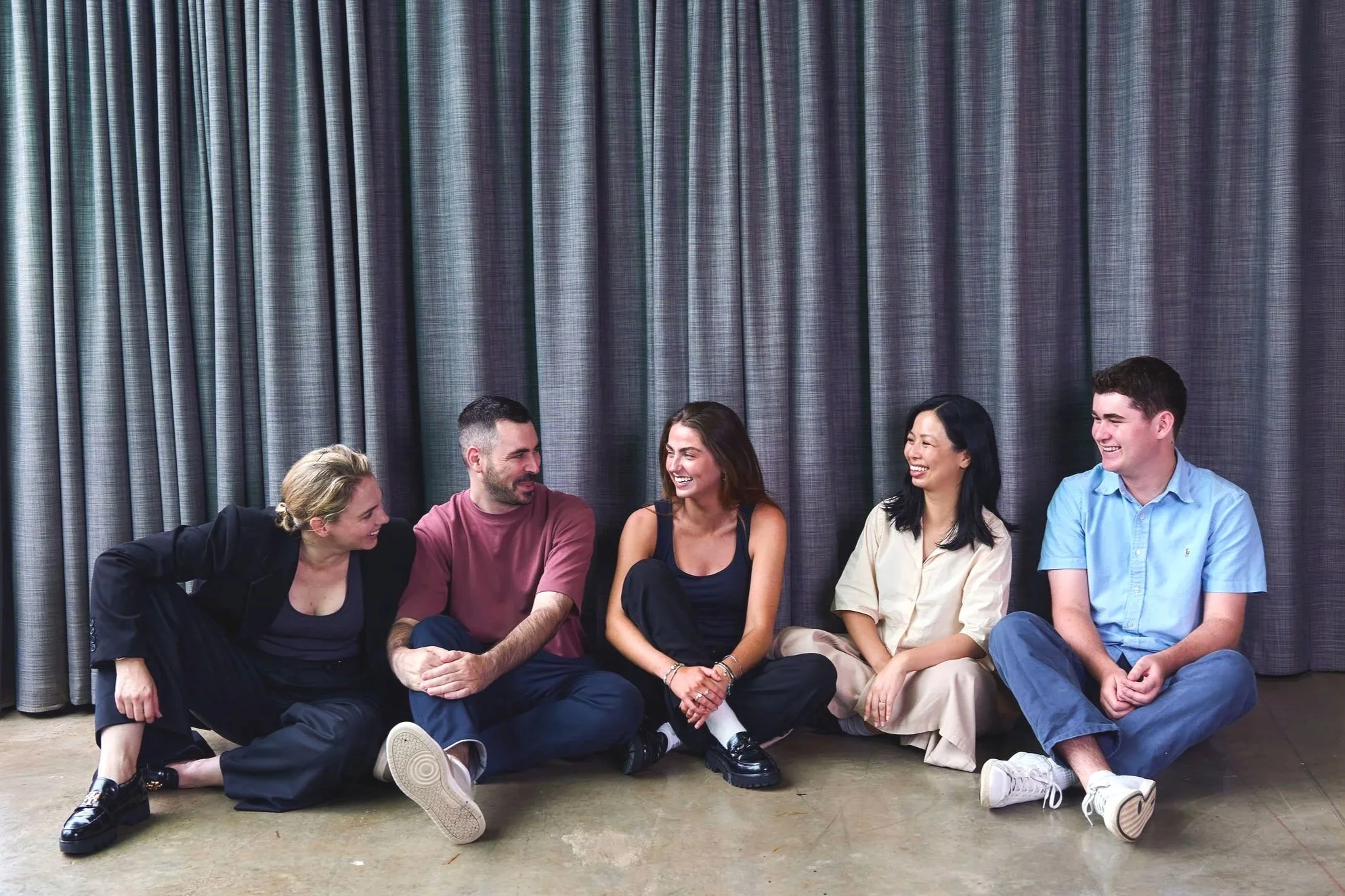
Psychosocial disability - where mental health significantly impacts everyday function, and is one of the most complex and underserved areas in the NDIS.
Many providers walk away from mental health, we walk towards.
Our team understands that progress for someone with a psychosocial disability rarely looks linear. Good days, horrible days, and everything in between. Our job to build the kind of support that provides a safe landing and a place to grow.
What psychosocial disability actually looks like.
It is the person who is highly capable on a good week and completely unable to leave the house on a bad one. It is variable capacity, not absent capacity. It is someone who may have insight, intelligence, and ambition but also still need significant support to manage daily life.
We commonly work with people living with depression, anxiety disorders, bipolar disorder, schizophrenia, post-traumatic stress disorder (PTSD), borderline personality disorder, and complex trauma - where these conditions create a functional disability in everyday life.
Services for Psychosocial Disability
Occupational Therapy
- Functional capacity assessments that accurately reflect variable capacity, not just a snapshot on one day.
- Building routines and structure that support regulation and daily functioning.
- Goals that are realistic, meaningful, and participant-led.
- Home and community assessments.
- NDIS report writing including psychosocial SIL and SDA assessments
Speech Pathology
- Communication strategies for navigating relationships, appointments, and professionals.
- Self-advocacy - helping participants communicate their needs clearly and confidently.
- Social skills and connection for people who have become isolated.
Dietetics
- Understanding the relationship between nutrition, gut health, and mood regulation.
- Practical meal planning and cooking skills for people with variable energy and motivation.
- Support for medication-related weight changes and metabolic monitoring.
- Sensory considerations and disordered eating patterns linked to mental health.
Support Workers
- Consistency matters more for this cohort than almost any other and we work hard to maintain it.
- Support workers who are trained in trauma-informed practice and understand variable capacity.
- Community access, social connection, and daily support.
- Practical assistance that builds independence without creating dependency.
- Briefed by our clinical team and supported when things get complex.