

Harry’s Journey to Confidence, Connection & Independence

Name: Harry B
Age: 17
Diagnosis: Autism Spectrum Disorder (Level 2), ADHD, Anxiety, Sensory Processing Needs
Goals: Finish school, develop friendships, build functional independence.
STATS
When Harry came to us, he was a 17-year-old young man navigating the final year of school with significant challenges. Diagnosed with ASD Level 2, ADHD, anxiety, and sensory processing needs, Harry struggled to understand social cues, had never formed a friendship, and depended entirely on his mother for daily living tasks.
Despite seven years of support from his long-term paediatric occupational therapist, he remained disconnected and deeply misunderstood. He wanted to feel like his peers. His parents wanted him to finish school and begin building the capacity to live with some level of independence.
BACKGROUND
What made Harry’s journey unique was not just the skills he gained - it was how he began to own them.
One of the most powerful shifts came when Harry began coming to our HQ in Alexandria after school. He was supported to learn the travel route, understand the steps, and manage the transition. The pride he felt walking into our space independently was immediate and lasting.
Our HQ - a warehouse-style, open-plan environment with a pool table, ping pong, and chill-out zones - felt approachable, empowering, and entirely unlike anything he had experienced before. It became his safe zone to stretch his capacity without the labels.
DEPENDENT TO INDEPENDENT
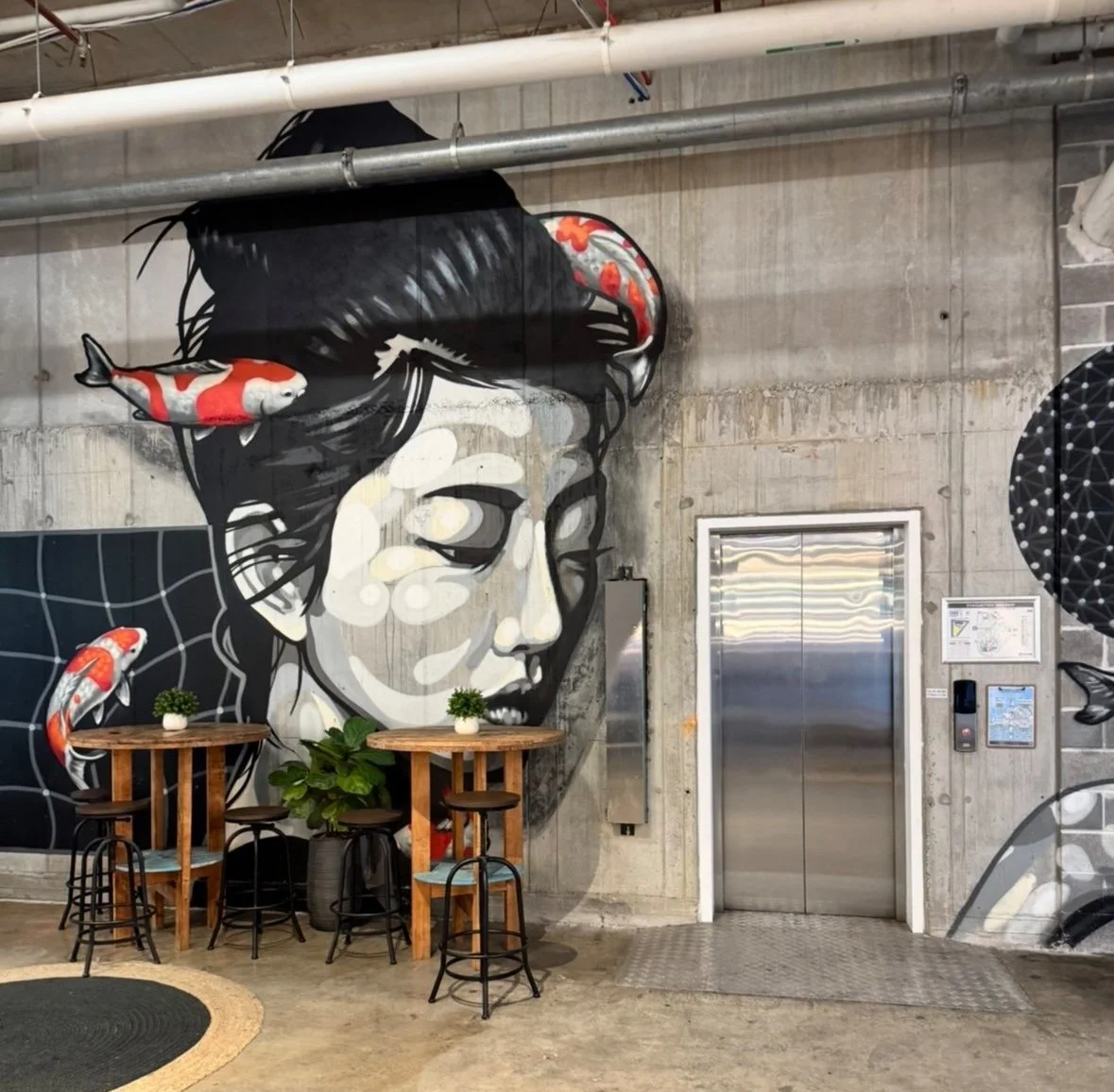
“I love going to see my OT at their HQ it’s so cool, like not disability at all.”
Together with Harry and his mum, we identified clear goals:
- Use public transport safely
- Prepare basic meals
- Understand and manage household bills
- Make polite phone enquiries
- Ask questions and interact socially
We worked with Harry’s Support Coordinator in the lead up to his plan review, and made sure his supports continued to align with his goals, and completed relevant reports for submission.
CLEAR GOALS & PLANNING
USING THE INTEGRATED OUTCOMES MODEL OF CARE
Harry’s transformation was driven by our NDIS Integrated Outcomes Model of Care - a framework built to produce not just session-based gains, but generalisable skills participants can use across real settings.
We didn’t increase his formal support at the start. Instead, we changed the method:
- Skills were taught in-context, then applied across home, school, and community
- Harry’s mum was coached in strategies to embed change between sessions
- His support team worked in alignment with his OT and family - not in silos
Because of this, Harry didn’t just perform skills he embedded them. His confidence rose. His reliance decreased.
As a result of his consistency and independence, we were able to reduce his regular support worker hours, reallocating them for strategic use — specifically when learning and embedding new skills.
BETTER USE OF SUPPORTS
Over the course of six months:
- Harry began catching public transport to HQ on his own
- He prepared his own breakfast and lunch three days a week
- He made a polite phone call, and was understood
- He completed his final year of school
- He began conversations with peers - without prompting
OUTCOMES:
FUNCTIONAL, EMOTIONAL, TRANSITIONAL


“For the first time, I’m not doing everything for him! I’m watching him step forward.”
Specialist Occupational Therapist for Adolescents and Young Adults